Blog
Thoughts, tutorials, and insights about web development.
Most businesses find out they have a documentation problem at the worst possible time, when their developer is already gone. Here's what to document, where to store it, and how to build the habit before it becomes a crisis.
Skipping website maintenance feels like saving money — until it isn't. Here's what deferred web maintenance actually costs your business, and why the bill is always bigger than expected.
Most websites have backups. Most of those backups have never been tested. This is a practical guide to building a website backup strategy that actually holds up when something goes wrong — covering what to back up, how often, where to store it, and how to verify it will restore.
You don't need to be technical to evaluate whether your website is healthy or heading for trouble. This guide gives you a practical framework for assessing your site's security, performance, maintainability, and resilience.
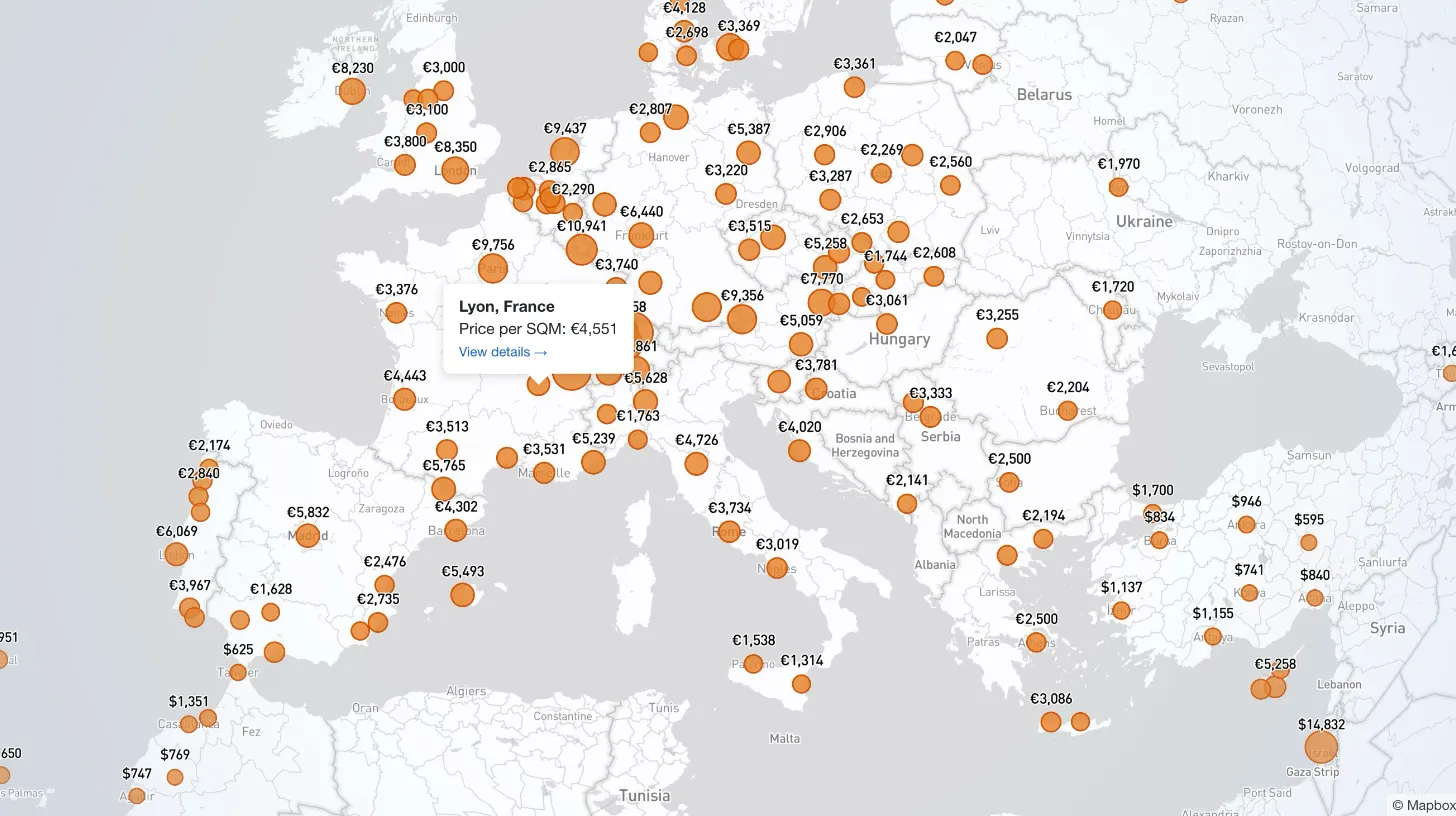
My client publishes real estate data for 80+ countries and wanted a single interactive view that could replace dozens of separate comparison tables. I built a Mapbox GL JS globe with 38+ switchable metrics, bubble and choropleth view modes, city drill-down, currency toggle, and pinned popups that deep-link into the country pages.
Your website feels stuck in the past, but a full rebuild carries enormous risk. Here's how to modernize incrementally, improving performance, security, and maintainability without betting the business on a ground-up rewrite.
Every WordPress dev knows the problem: restore a prod database locally and your browser immediately redirects to the live site. I moved the URL rewrite into MySQL's init hook so it runs automatically on first boot — no manual steps, no redirect loops.
My law firm client's inner pages had no visible author attribution — a real problem for YMYL legal content. I added Schema.org Person microdata to the hero, intentionally bypassed the WordPress author field, and built a per-page ACF toggle for opt-out.
My client's legacy Laravel 5.1 SaaS needed modernization across payments, search, and mapping — all on a codebase that cannot be upgraded without breaking dependencies. I overhauled all three layers in two weeks, without a rewrite and without a database migration.
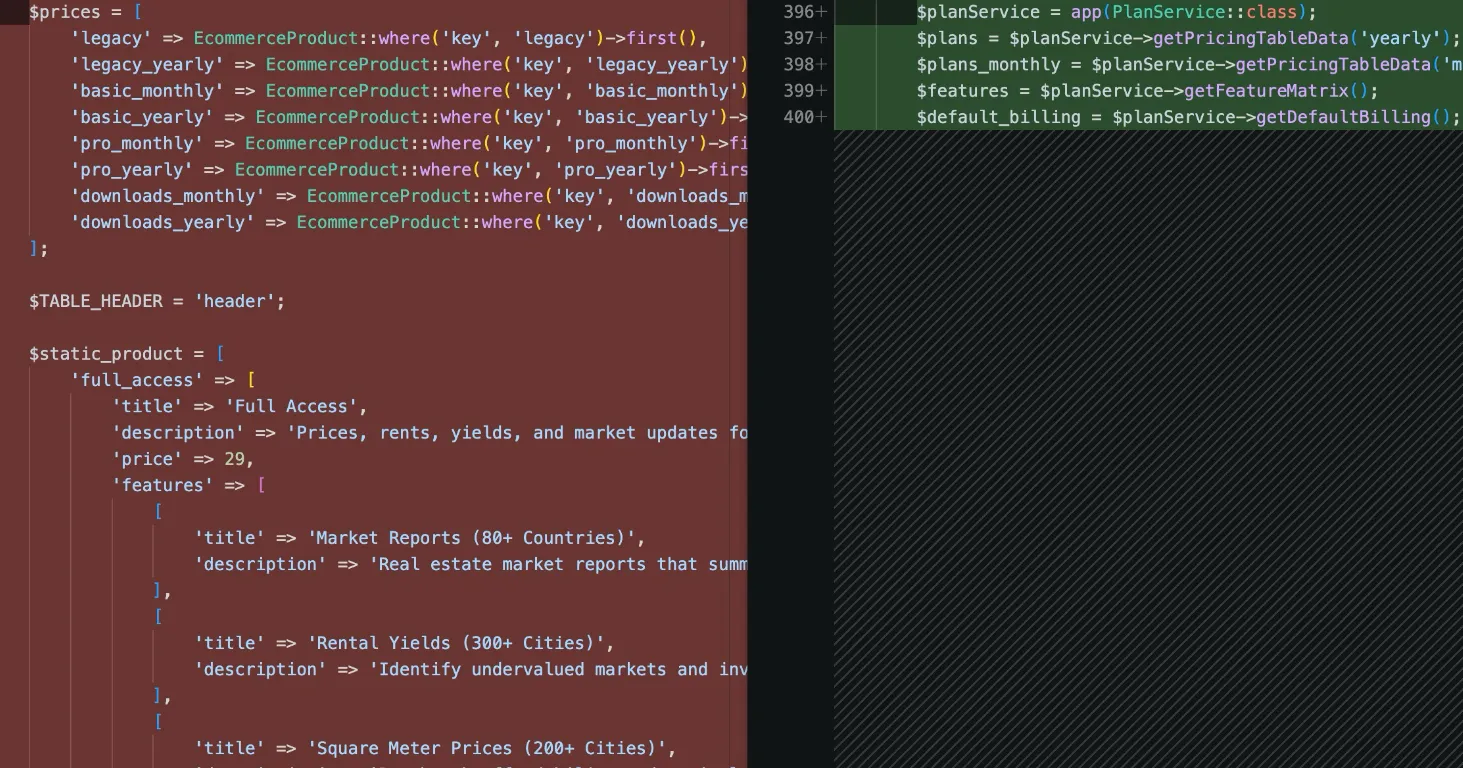
My client's Stripe subscription system was spread across a database table, eight-plus files, five separate client instances, and two 700-line pricing tables. I replaced it with a single config file and a service layer, deleting 4,628 lines without touching the database schema.
One client check-in, three real deliverables: a new Plaintiff Attorney Resource Center with vanilla JS filtering, an EEAT author box with Schema.org Person microdata, and a WP-CLI migration script that moved 80+ hardcoded case results into a proper CPT — then got deleted.
80+ law firm case results were living as static HTML in a template file. I wrote a WP-CLI migration script with --dry-run and --rollback flags, ran it in production, then deleted it in the very next commit. That's the right pattern for one-off data migrations.
You upgraded your hosting plan but your website is still slow. That's because hosting is rarely the real bottleneck. Here's where to look instead and what actually moves the needle on performance.
The questions most businesses ask when hiring a web developer focus on the wrong things. Here's what to ask instead if you want a technical partner who will actually stick around and keep your website healthy.
When the same issues keep resurfacing despite repeated fixes, your website is telling you something. Here's how to recognize the signs that you need a structural solution, not another band-aid.
Most businesses think website maintenance means backups and plugin updates. But it goes much deeper than that, and the gaps in your current plan could be leaving your site vulnerable.
Technical debt is the hidden tax on every business that runs a website. It slows you down, increases your costs, and makes every future change harder. Here's how to understand what it's costing you and how to start paying it down.
Your website launched fast and sharp. Now it's sluggish and frustrating. Website performance degradation is not random. It follows predictable patterns. Here's what causes it and what to actually do about it.
If your last WordPress update took the site down, your fear isn't irrational. It's data. But falling 18 months behind on updates creates worse risks. The solution isn't bravery. It's infrastructure.
When your web developer disappears, your website becomes a ticking time bomb. Here's a practical recovery plan to regain control, secure your assets, and build a more resilient technical partnership going forward.
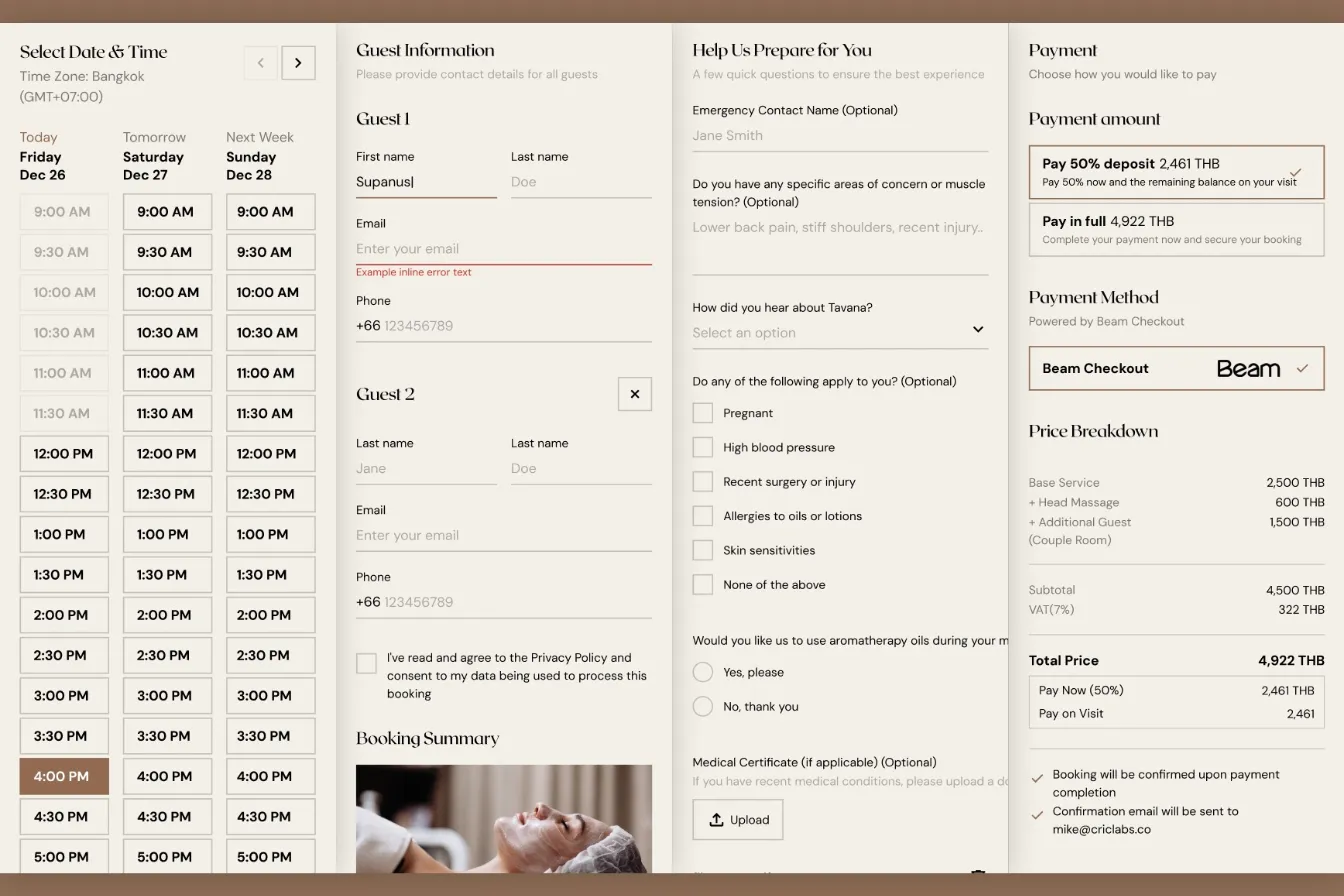
My client runs a luxury wellness sanctuary in Bangkok. They needed a custom booking system that handles couple spa packages, Thai payment methods, and runs entirely on the edge, embedded naturally within their existing Webflow site. Here's how I built it.
My client needed interactive, country-specific data charts embedded across their site. Rather than querying the server or paying for APIs, I built a client-side scraper to fetch data directly from Google Sheets in real-time.
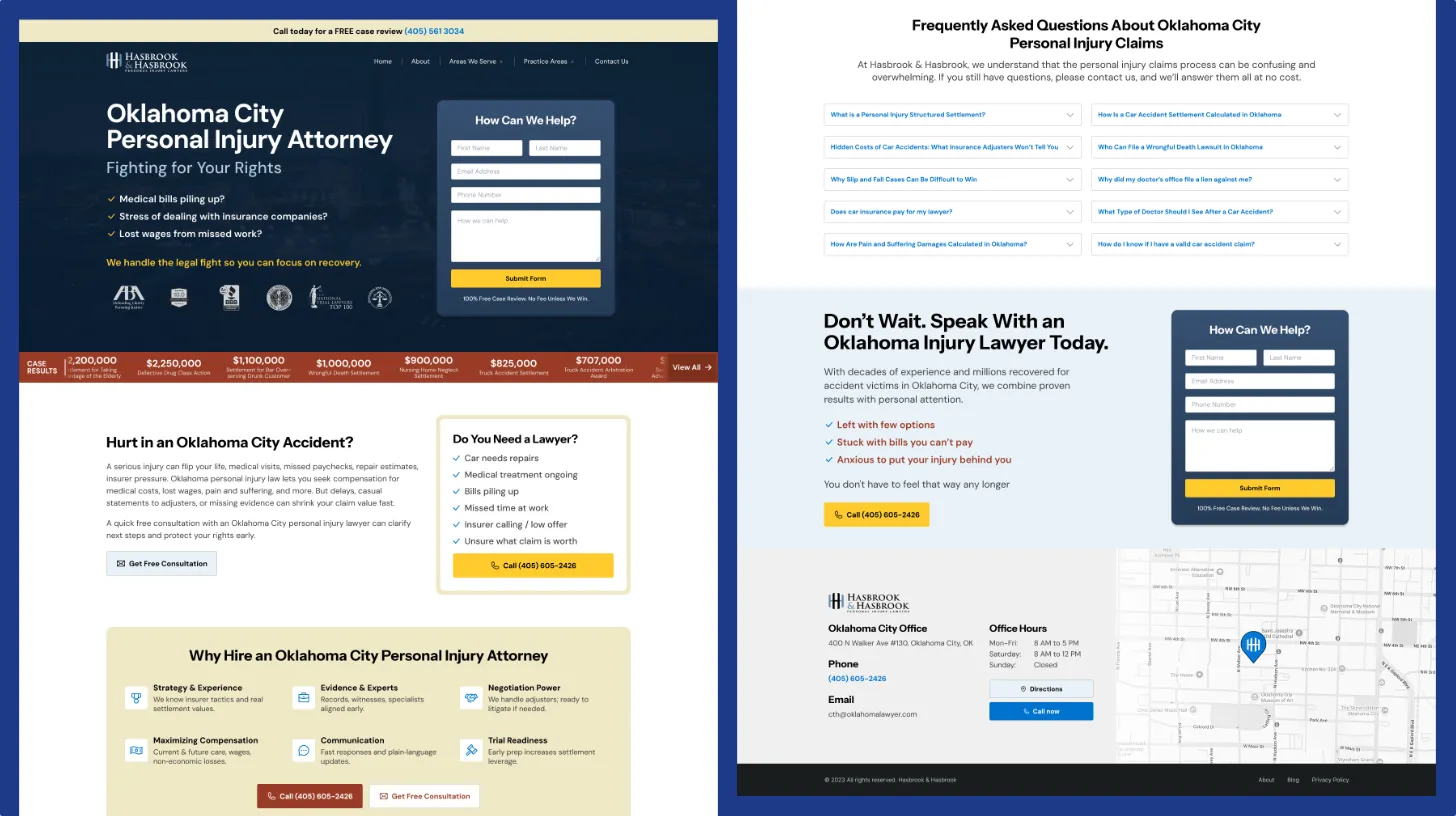
After initial success with a custom WordPress build, the law firm's homepage had grown unwieldy. We refined the design, removed visual clutter, and improved scannability while maintaining the performance gains.
A well-known real estate guide site needed complete modernization and a shift from paid listings to subscriptions. We redesigned the UI, built a membership system, and implemented a custom paywall for content monetization.
I built a custom WordPress theme for a law firm struggling with search rankings and page speed. By cutting bloat, optimizing images, and fixing Core Web Vitals, I drove a 38% increase in organic traffic.
A real estate company outgrew generic listing websites. A custom WordPress platform with advanced search, smart filtering, and streamlined admin made managing hundreds of properties practical.
My client needed more than generic blog posts for their hosting comparison guide. I built a custom review system, optimized performance, and managed servers hands-on to transform it into the authoritative resource.
One of my long-term clients needed a fast, accessible LLC formation guide website that would rank and convert. I built a heavily optimized custom theme that prioritized user experience and search engine visibility from day one.
I built a custom WordPress platform for a local OCR training business that was outgrowing their generic setup. The solution automated member tracking, created personalized milestone notifications, and eliminated the administrative friction their coaches faced daily.
My client needed more than standard WordPress for their VPN guide website. I built a custom theme, review plugin system, and performance optimization that made them the trusted authority in the VPN space.
A client with no technical background wanted to launch an educational tutorial blog. Custom WordPress, thoughtful design, and ongoing support made it possible.
I built a custom case calculator WordPress plugin for a law firm. The solution felt like a physical device, was fully branded, and became an essential part of their client intake process.
My remote role combining graphic design, web development, and server administration. How I built diverse technical skills early in my career.
We use cookies to analyze traffic and improve your experience. Privacy Policy
Essential
Required for the site to function
Analytics
Google Analytics for site traffic
Marketing
For future advertising features