Web Hosting Guide Platform With Custom Review System
Rol Torralba
December 12, 2024
8 min read
My client needed more than generic blog posts for their hosting comparison guide. I built a custom review system, optimized performance, and managed servers hands-on to transform it into the authoritative resource.
In the web hosting space, readers are making significant purchasing decisions. Choosing the wrong host can mean downtime, poor support, and migration headaches. This means hosting comparison sites face a credibility problem: any review can be dismissed as biased or incomplete. Reviewers must demonstrate systematic evaluation and provide actual comparative data to earn trust.
My client understood this challenge deeply. They wanted to create a web hosting guide that would become the definitive resource for people evaluating hosting platforms. But generic WordPress posts and basic comparison tables weren't sufficient. They needed a system that organized hosting data intelligently and allowed readers to actually compare hosting services across multiple dimensions.
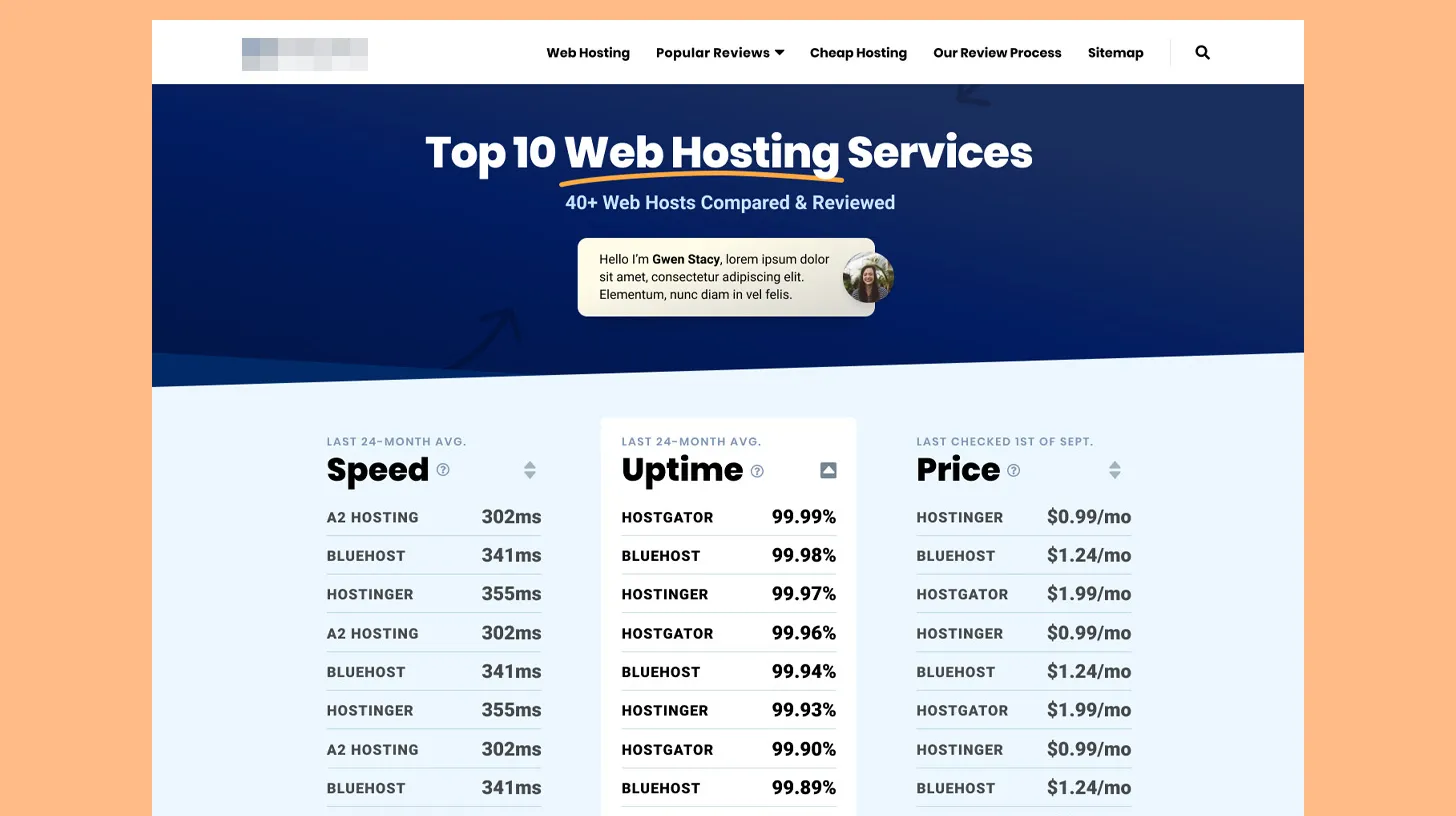
✅ Key Takeaway: Credibility in review platforms comes from systematic structure and demonstrated expertise. Generic tools create doubt; custom platforms create authority.
When I dug into the initial assessment, three core problems emerged. First was the design limitation: standard WordPress templates treated hosting reviews as simple blog posts. There was no way to structure hosting platform data systematically: uptime guarantees, pricing tiers, support response times, and featured performance metrics. Adding these details through plugin solutions created a chaotic user experience where visitors couldn't easily compare across hosting providers.
Second was the absence of user feedback. While my client had hands-on experience with hosting platforms, their readers wanted to hear from actual users. Without a structured way to collect and display user reviews, the site lacked social proof. Generic comment systems weren't sufficient because hosting reviews required specific rating dimensions: reliability, support quality, value for money, and ease of use.
Third were the operational challenges. The site needed fast, reliable hosting itself. This created a subtle irony: a guide about web hosting needed to demonstrate excellence in the technical fundamentals it was recommending. If the site was slow, experienced downtime, or felt poorly managed, it would undermine its own authority. My client lacked the server administration expertise to ensure optimal performance, which is where I came in.
Beyond these technical concerns, the mobile experience was problematic. Visitors researching hosting often browsed on smartphones while at work or in between meetings. A mobile site that was clunky or hard to navigate meant lost potential readers.
I recommended building a custom WordPress platform specifically designed for hosting comparisons, combined with hands-on server administration to ensure the site practiced what it preached.
Custom Hosting Review System: I built a custom review structure with dedicated data fields instead of forcing hosting data into standard WordPress post types: pricing information (including promotional rates and renewal costs), uptime percentage, server locations, supported technologies, support response time metrics, and performance benchmarks. Each field was structured to enable sorting and filtering.
This custom structure meant visitors could compare hosting providers across specific criteria. They could filter for hosts with specific technology stacks, sort by uptime percentage, or see which providers offered the best value at specific price points. The comparison experience was dynamic and useful, not just readable.
💡 Pro Tip: Verified user reviews beat generic five-star ratings. Implement a system that checks whether reviewers actually used the service. This dramatically improves credibility and prevents competitor attacks.
User Review Integration: I created a custom review system that allowed verified users to rate hosting services across the specific dimensions that mattered: uptime reliability, customer support quality, feature set value, and ease of use. These ratings aggregated into comparative scores that helped visitors understand service quality across multiple perspectives.
The system tracked user verification (had they actually hosted with the provider) to prevent review spam. Genuine user feedback became the foundation of credibility. Potential customers could see that real people endorsed recommendations.
Optimized Theme Architecture: I built the custom WordPress theme specifically for content-heavy comparison sites. The design presented information in scannable formats: comparison tables, rating visualizations, and clear hierarchies that made decision-making easier. The theme handled the complexity of managing multiple hosting providers, pricing tiers, and user review data without overwhelming visitors or slowing down the site.
Server Administration & Performance: I provided hands-on server management rather than simply hosting the site on commodity hosting. This included cache optimization, database performance tuning, security hardening, and monitoring for uptime and performance. This wasn't just about making the site run well. It was about demonstrating that my client understood web hosting excellence, which reinforced the credibility of their recommendations.
The irony became strength: a site about web hosting that was optimized, secure, and reliable carried implicit authority. Visitors could see that the recommendations came from someone who understood the technical foundations.
Mobile-First Experience: I ensured the responsive design made comparison tables and review systems work beautifully on smartphones. Readers could quickly look up hosting information or check user ratings on the go without sacrificing clarity or usability.
| Feature | Generic Hosting Site | Custom Review Platform |
|---|---|---|
| Comparison Structure | Text-based reviews | Systematic data fields |
| User Reviews | Comment spam risk | Verified user system |
| Filter/Sort | Manual browsing | Dynamic, real-time |
| Mobile Experience | Cramped tables | Fully optimized |
| Site Performance | Variable | Hands-on optimization |
| Search Capability | Basic keyword search | Multi-dimensional filtering |
Technical Implementation: I used WordPress at the core, PHP for custom functionality, HTML and CSS for semantic, performant markup, and JavaScript for interactive features like filtering and sorting without page reloads. I chose this technology stack for maintainability and performance, not for being trendy.
The custom platform I built immediately differentiated itself from generic hosting review sites. Visitors could compare hosting services systematically rather than reading marketing-speak. The comparison tables became the destination. People bookmarked the site to reference when evaluating hosts.
User reviews became increasingly valuable as the site accumulated genuine feedback. A potential customer could see not just one person's opinion about Hosting Provider X, but aggregated ratings from multiple users. This social proof was powerful because it came from actual customers, not marketing copy.
Organic search performance improved significantly. The structured, rich content around hosting comparisons ranked well for competitive keywords. More importantly, the site's own technical excellence (fast loading, mobile optimization, zero downtime) meant it ranked higher than slower competitors. Google rewards sites that provide good user experience; my site delivered on every metric.
⚠️ Warning: Failing to demonstrate technical excellence undermines review credibility. If your hosting review site is slow or unreliable, you've lost your most powerful argument before readers even visit.
Content production became more efficient. Because the review system was structured, adding a new hosting provider took 20 minutes. Fill in the data fields, structure the comparison information, and publish. There was no fumbling with multiple plugin interfaces or trying to force data into unsuitable layouts.
The user review system drove ongoing content freshness. As users submitted new reviews and ratings, the site's content updated continually without requiring my client to manually update everything. This freshness is a ranking factor. Search engines favor sites where content is actively maintained and updated.
From a business metric perspective, the site became a successful affiliate and lead generation platform. The systematic comparison approach and high credibility converted readers into customers who trusted the recommendations. Partner hosting companies wanted to be reviewed well on the site because placement and ratings directly influenced customer decisions.
This project demonstrates that comparison and review sites need structural integrity. Generic blogging platforms can't credibly serve the role of systematic comparison. You need a custom data structure, user review integration, and most importantly, the operational excellence to back up your recommendations.
When my client asked readers to make purchasing decisions based on their guidance, they were asking readers to trust their judgment. That trust is only credible if your system is systematic, your experience is demonstrated, and your site itself exemplifies the excellence you're recommending. Generic solutions create doubt. Custom platforms built with intentional architecture create authority.
Find out what's slowing your site down, where the security gaps are, and what you can improve. Takes 30 seconds to request.
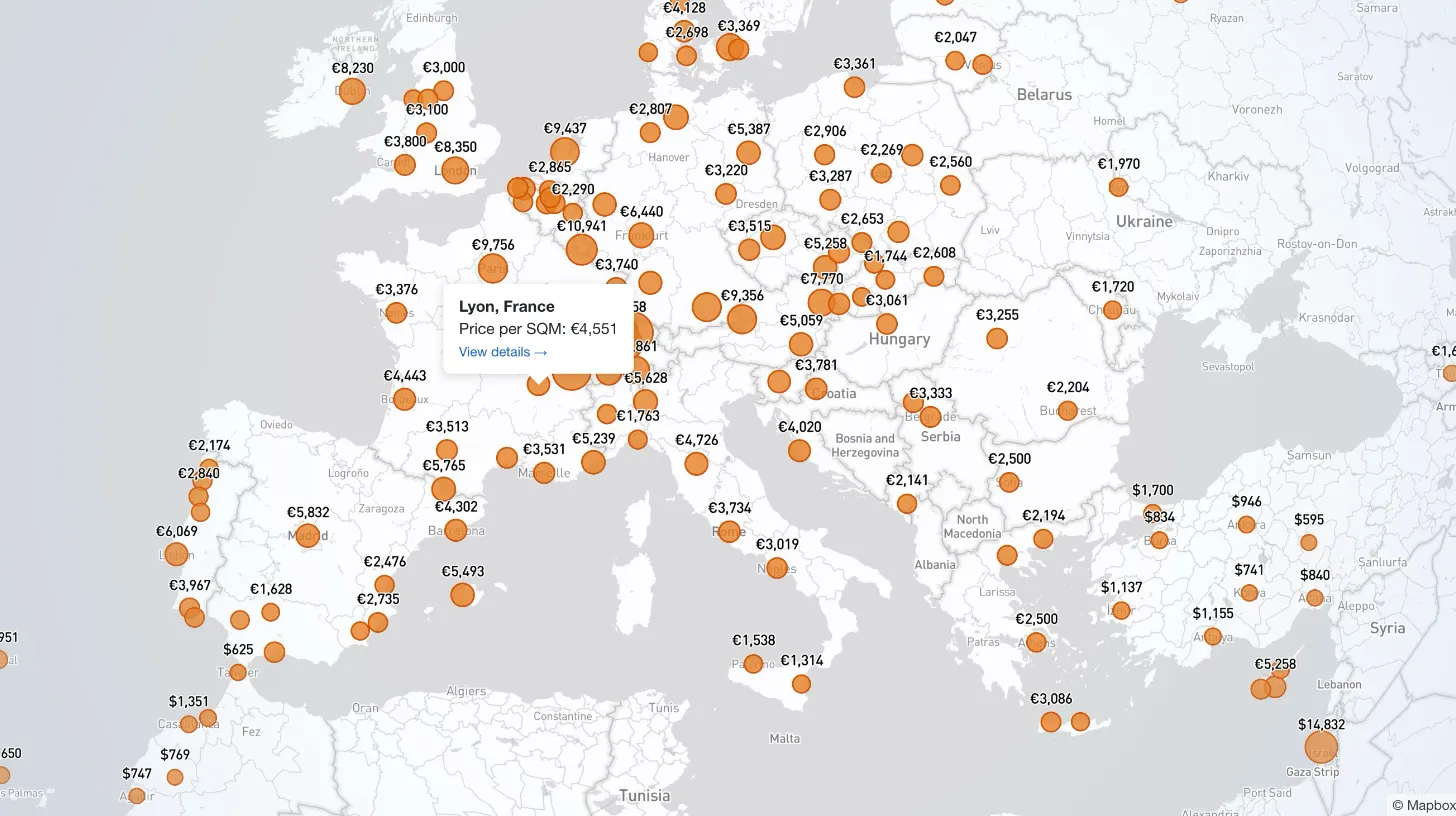
My client publishes real estate data for 80+ countries and wanted a single interactive view that could replace dozens of separate comparison tables. I built a Mapbox GL JS globe with 38+ switchable metrics, bubble and choropleth view modes, city drill-down, currency toggle, and pinned popups that deep-link into the country pages.

Every WordPress dev knows the problem: restore a prod database locally and your browser immediately redirects to the live site. I moved the URL rewrite into MySQL's init hook so it runs automatically on first boot — no manual steps, no redirect loops.

My law firm client's inner pages had no visible author attribution — a real problem for YMYL legal content. I added Schema.org Person microdata to the hero, intentionally bypassed the WordPress author field, and built a per-page ACF toggle for opt-out.

My client's legacy Laravel 5.1 SaaS needed modernization across payments, search, and mapping — all on a codebase that cannot be upgraded without breaking dependencies. I overhauled all three layers in two weeks, without a rewrite and without a database migration.