How I Built a Custom VPN Review Platform That Dominates Rankings
Rol Torralba
November 30, 2024
7 min read
My client needed more than standard WordPress for their VPN guide website. I built a custom theme, review plugin system, and performance optimization that made them the trusted authority in the VPN space.
My client was running a VPN guide and tutorial website in one of the most crowded, competitive markets you can imagine. Users were skeptical of marketing claims and hungry for honest reviews. The problem was that their WordPress site wasn't cut out for review-heavy content. I transformed their generic blog into a trusted authority by building a custom review system, redesigning the interface, optimizing performance, and streamlining their content management workflow. The result was a site that ranked on the first page for competitive keywords, attracted consistent organic traffic, and converted readers into customers.
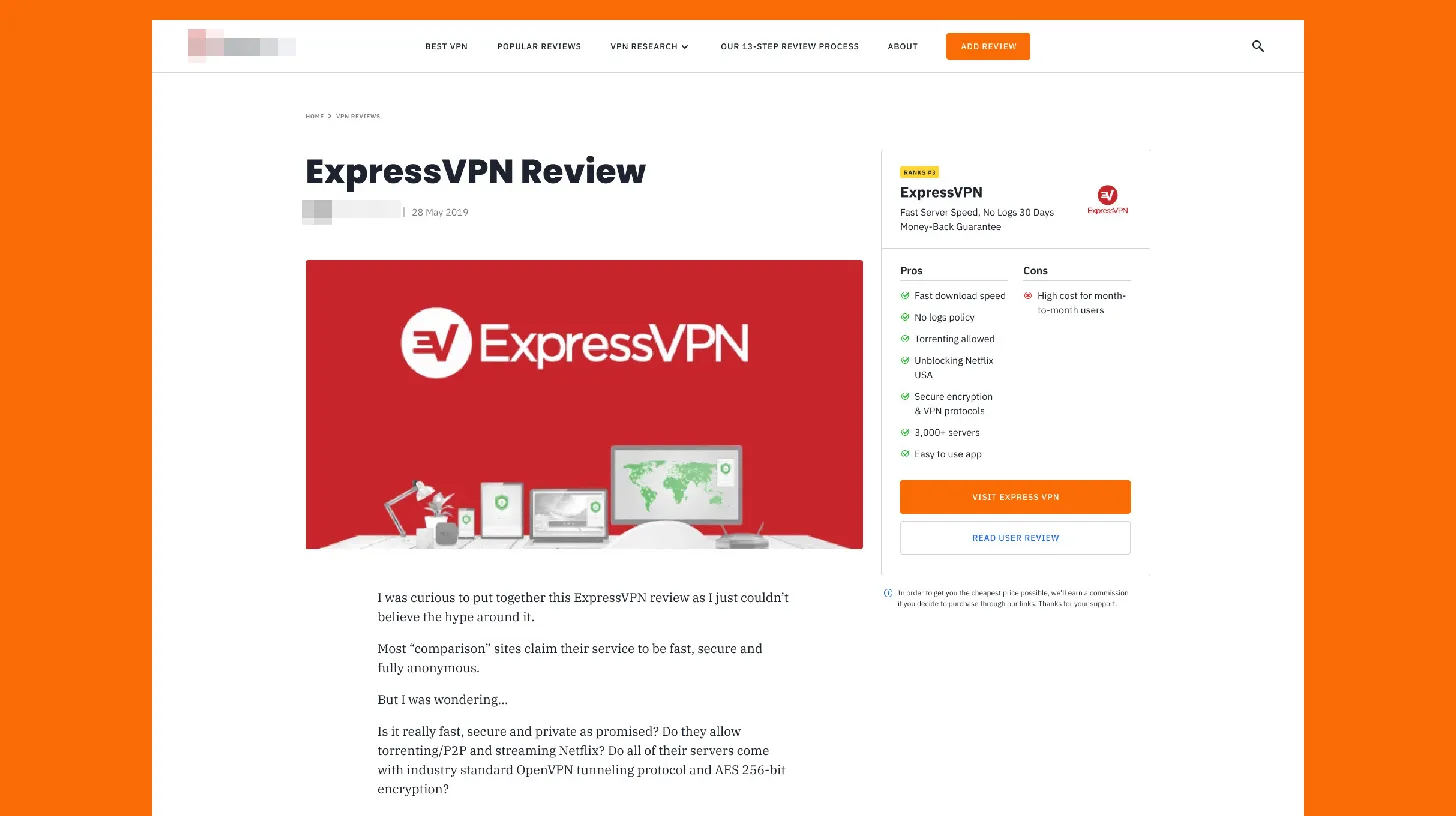
✅ Key Takeaway: One-size-fits-all content platforms often fail specialized use cases. A review site has fundamentally different needs than a general blog, and customization designed for your specific content type produces dramatically better results.
When I first audited my client's VPN guide website, which focused on tutorials, comparisons, and user reviews, I could see the concept was solid, but the execution had critical gaps that were holding them back.
The generic design made them blend in with every other review site. Visitors couldn't immediately tell what made them different or why they should trust the reviews. In an industry where trust is everything, that's a massive disadvantage. Their site looked like every other generic WordPress blog, not like a specialized authority.
No custom review system was killing them. They were trying to shoehorn reviews into standard blog posts, which created a mess: reviews looked inconsistent, comparisons were a nightmare to create and update, and there was no structured way for users to interact with the data. Their audience wanted to see pricing, features, speed ratings, and security details at a glance, not dig through long blog posts to find the info they needed.
Performance was sluggish. Pages with heavy content, unoptimized images, and inefficient code took forever to load. Users bounced to faster competitors. Search engines penalized them for slow load times. Every second mattered.
Content management was painful. Managing multiple VPN reviews, keeping prices current, handling comparisons, and organizing content across categories involved way too much manual work. WordPress could handle blogs fine, but there was no custom structure built for review-specific needs.
The WordPress admin interface wasn't helping. My client's content team had to navigate generic WordPress menus and go into code just to make basic changes to how reviews displayed. It was inefficient and required developer involvement on every little tweak.
| Feature | Generic WordPress Blog | Custom Review Platform |
|---|---|---|
| Review Layout | Blog post format (text-heavy) | Structured data (prices, features, ratings visible at a glance) |
| Comparisons | Manual, time-consuming table creation | Automatic comparison tables generated from review data |
| User Ratings | Comment-based (unstructured) | Custom rating system (security, speed, support rated separately) |
| Content Updates | Edit entire post for price changes | Update single field, entire site updates automatically |
| Admin Workflow | Multiple menus and settings scattered | Dedicated review form (all fields in one place) |
| SEO Value | Basic blog SEO | Rich snippets, structured data markup for better rankings |
| Mobile Experience | Generic responsive | Purpose-built for comparisons on small screens |
I built a complete solution: a custom WordPress theme designed specifically for review content, a custom plugin for managing structured VPN reviews, aggressive performance optimization, and a redesigned admin interface that let my client manage their content without touching code.
I built a custom theme from scratch specifically for review content. Instead of forcing VPN reviews into a generic blog layout, I created dedicated sections for each content type. VPN guides had their own template. Comparison pages had their own layout. Tutorial sections looked distinctly different. This clarity helped readers immediately understand what they were looking at and navigate the site with ease.
I developed a custom review plugin that captured all the specific data my client needed: pricing structures (per-month, per-year, with discounts), security protocols, logging policies, server locations, speed performance, support quality, and user ratings. Each review followed the same structure, which made comparing VPN A to VPN B natural and effortless. The plugin generated comparison charts automatically.
I added a user rating system that let readers submit their own reviews and ratings directly in the platform. This wasn't generic comment forms. It was built specifically for VPN reviews. Users could rate security, speed, support, and value separately. Their reviews appeared alongside my client's expert reviews, creating community and social proof that helped prospective customers make decisions faster.
💡 Pro Tip: I implemented structured data markup (schema.org) for all review data so Google can understand the ratings and key facts. This enables rich snippets in search results, which significantly improves click-through rates from search.
I baked structured data markup into every review so search engines could properly understand and display the review information. When someone searched "best VPN for streaming," Google could pull star ratings and key features from my client's reviews directly into the search results. This was a big win for click-through rates.
I aggressively optimized performance. I optimized and lazy-loaded all images. I minimized and deferred CSS and JavaScript. I optimized database queries. I implemented caching at every level. The result was a site that loaded in under two seconds, even on slower connections. That performance improvement helped both user experience and SEO rankings.
I redesigned the admin interface to make content management intuitive. Instead of navigating generic WordPress menus, my client now had a dedicated section for managing VPN reviews. Adding a new VPN meant filling out a simple form with pricing, features, and other key information. The custom plugin handled all the complex work behind the scenes. Updating a VPN's pricing took seconds, not minutes.
I added content organization tools that let my client group reviews by category: best overall VPN, best for streaming, best for privacy, best budget option. These groupings could be reused across different pages without duplicate content. A single VPN could appear in multiple categories, and the system automatically managed those relationships.
This project proved that one-size-fits-all content platforms often fail when you have specialized needs. A review site needs fundamentally different tools than a general blog. When I built structured data, comparison tools, user participation systems, consistent layouts, and admin tools designed specifically for reviews, my client's site transformed from adequate to exceptional. The investment in custom WordPress plugin development and theme design paid huge dividends across traffic, rankings, conversions, and revenue. For any site built around reviews, comparisons, or specialized content, the lesson is clear: generic WordPress is just the starting point. Real customization, built specifically for your content type and user needs, produces dramatically better results. My client went from one VPN guide among many into the trusted authority in their space by investing in a platform purpose-built for what they do.
Find out what's slowing your site down, where the security gaps are, and what you can improve. Takes 30 seconds to request.
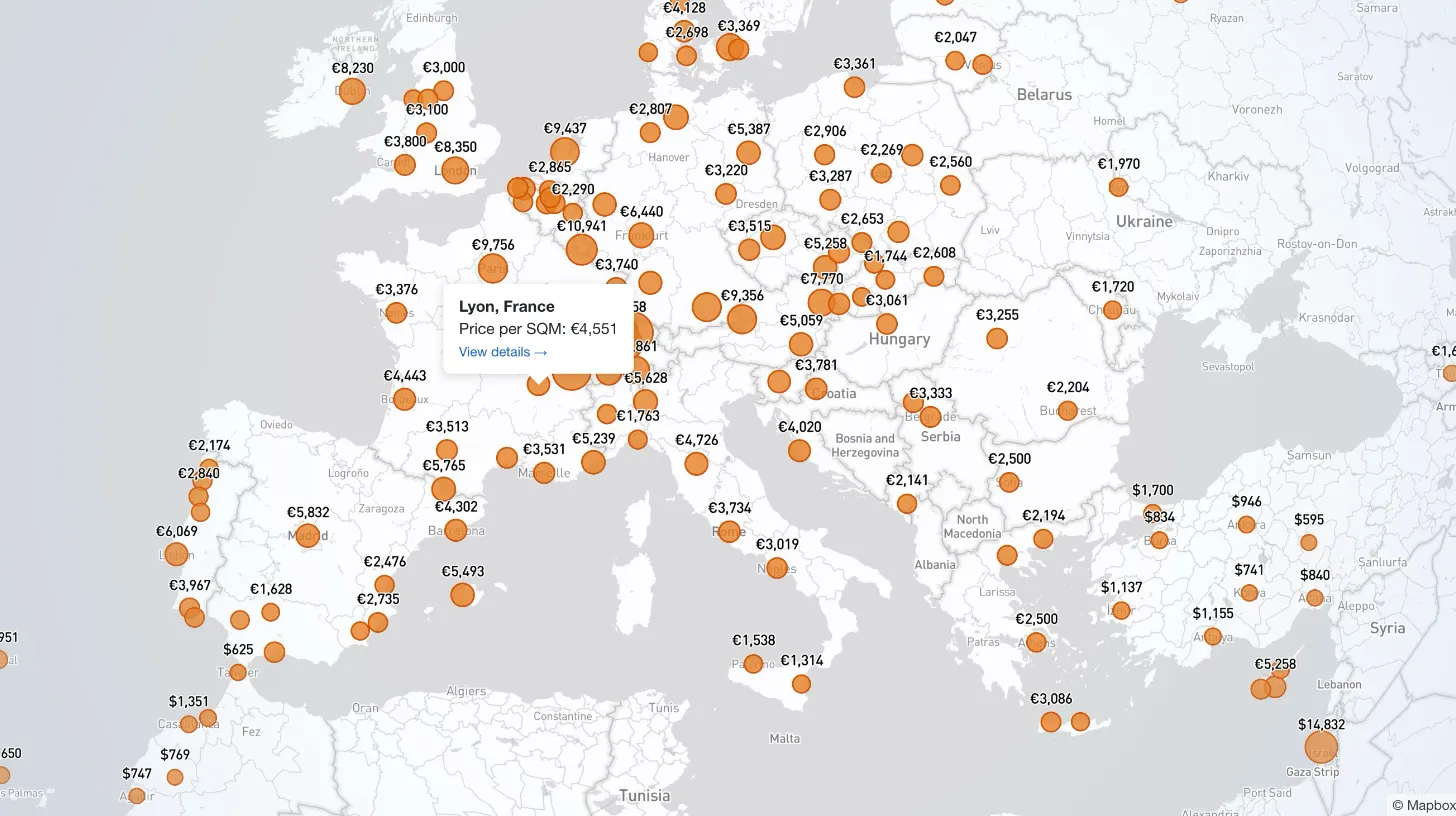
My client publishes real estate data for 80+ countries and wanted a single interactive view that could replace dozens of separate comparison tables. I built a Mapbox GL JS globe with 38+ switchable metrics, bubble and choropleth view modes, city drill-down, currency toggle, and pinned popups that deep-link into the country pages.

Every WordPress dev knows the problem: restore a prod database locally and your browser immediately redirects to the live site. I moved the URL rewrite into MySQL's init hook so it runs automatically on first boot — no manual steps, no redirect loops.

My law firm client's inner pages had no visible author attribution — a real problem for YMYL legal content. I added Schema.org Person microdata to the hero, intentionally bypassed the WordPress author field, and built a per-page ACF toggle for opt-out.

My client's legacy Laravel 5.1 SaaS needed modernization across payments, search, and mapping — all on a codebase that cannot be upgraded without breaking dependencies. I overhauled all three layers in two weeks, without a rewrite and without a database migration.