How I Built Design & Development Skills as a Remote Junior Developer
Rol Torralba
October 12, 2024
5 min read
My remote role combining graphic design, web development, and server administration. How I built diverse technical skills early in my career.
Early in my web development career, I took on a remote position that proved to be exactly what I needed: a role combining graphic design, junior web development, and web administration for a design-focused blog. Rather than being limited to a single specialty, I was required to wear multiple hats, shift between creative and technical work, and understand how different parts of a web project interconnect. What emerged was a solid skill foundation that prepared me for larger, more specialized projects later on.
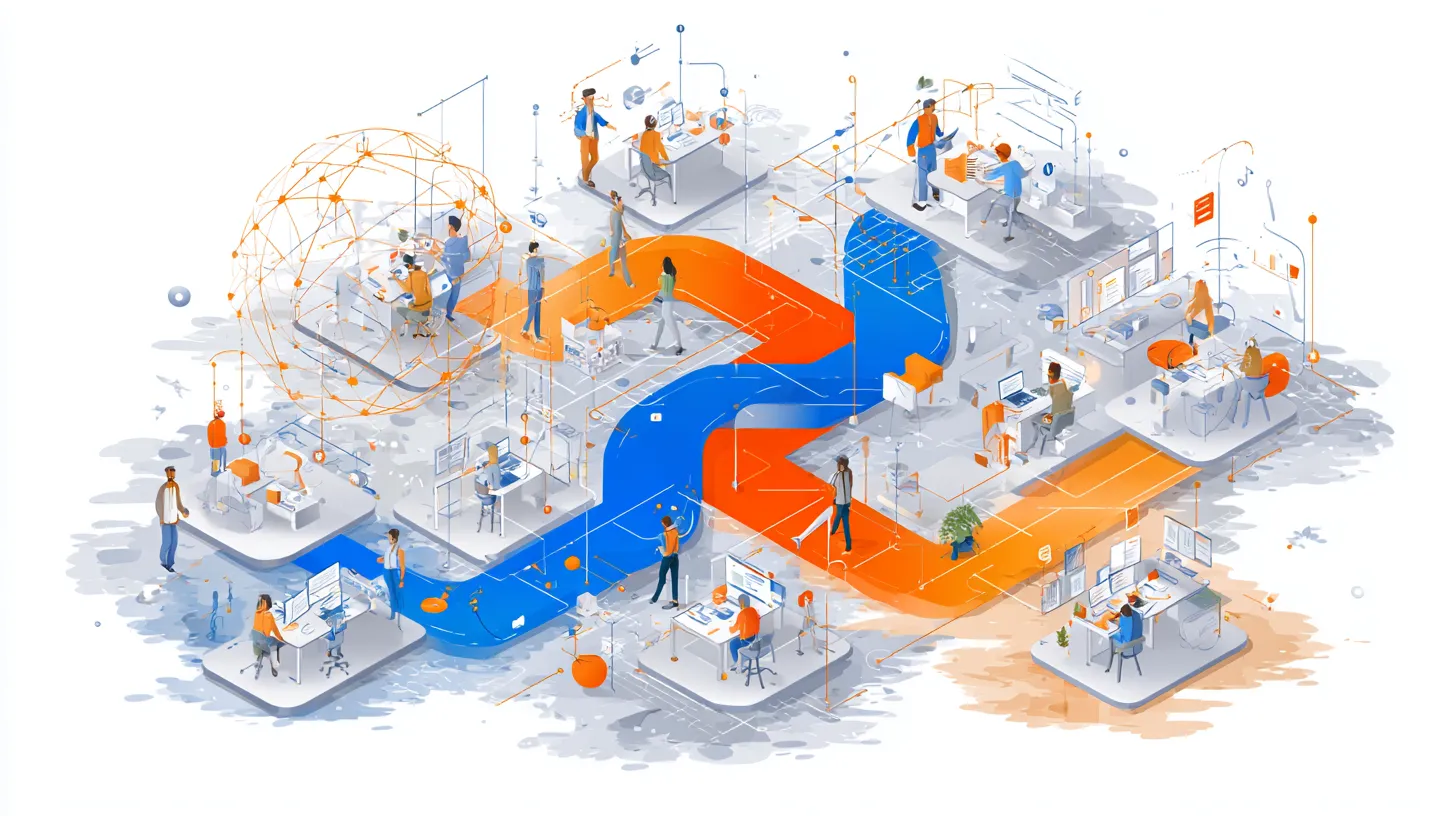
✅ Key Takeaway: Early-career roles that span multiple disciplines taught me how systems interconnect and build resilience. Understanding design, development, and operations made me far more valuable than if I'd specialized in a single area.
The client was a web design blog with a small, distributed team. They faced operational constraints that required hiring someone who could handle multiple responsibilities across design and development, and they needed it to be someone working remotely.
They lacked in-house design resources, so their social presence and educational content weren't as visually compelling as they could be. Creating posts and webinar graphics required design skills, but hiring a dedicated designer wasn't economically feasible for their budget. Web maintenance and hosting administration were falling through the cracks, with small site updates and server issues addressed reactively rather than proactively. They needed someone who could bridge the gap between their content creators and the technical infrastructure, someone flexible enough to shift between creative and administrative work.
The real challenge wasn't just technical capability. It was about understanding how to prioritize diverse tasks, communicate across different team members' needs, and deliver quality work under time constraints while working entirely remotely.
I approached this role strategically, understanding that my goal was not just to complete tasks. It was to build real, marketable skills while delivering measurable value. I deliberately structured my work across three domains to gain breadth while maintaining focus on business outcomes.
| Domain | Skills I Gained | Business Value Delivered |
|---|---|---|
| Graphic Design | Design software, visual communication, brand consistency | Professional social media presence, higher engagement |
| Web Development | WordPress customization, UX improvement, responsive design | Better site performance, lower bounce rates |
| Server Administration | Hosting management, backups, security updates, monitoring | website reliability, virtually zero downtime |
For design work, I took ownership of creating post graphics, webinar visuals, and promotional materials. Using design software and understanding the blog's brand guidelines, I produced graphics that strengthened their visual presence on social media platforms and in email communications. This was not graphic design as my primary career path. It was a supporting function that increased their professional appearance and directly improved engagement metrics.
For web development, I focused on site maintenance and improvements. Rather than building entirely new features, I made thoughtful tweaks to their WordPress installation: optimizing page layouts, improving readability, and ensuring responsive design across devices. Small but meaningful improvements compounded over time, and I could see the direct impact on their metrics.
For web hosting administration, I managed server-related tasks including email configuration, database maintenance, backup management, and basic security updates. This hands-on experience with server administration gave me practical knowledge that many junior developers never gain in agency or corporate settings. I owned the entire infrastructure piece, which was incredibly educational.

💡 Pro Tip: Multi-role positions were especially valuable early in my career. I learned not just individual skills but how they interact: how design decisions affect load time, how code changes impact user experience, how infrastructure stability enables features.
The key to my approach was integration. I wasn't siloed in one function. I understood how design decisions affected load time, how code changes impacted user experience, and how infrastructure stability enabled better content delivery. This holistic perspective taught me something many junior developers miss: development and design don't exist in separate organizational worlds.
For my client, hiring someone willing to handle multiple complementary functions was more cost-effective than hiring specialists. I gained the skills necessary to manage entire web projects independently, while they received reliable support across design, development, and operations. It's a model that works particularly well for distributed, bootstrapped teams and freelancers building their own product or service capabilities.
This project demonstrates that early-career opportunities don't need to be highly specialized to be valuable. The most educational roles are often those that require versatility and force you to understand how different technical disciplines interact. My willingness to embrace this role, rather than seeking a narrowly-focused junior position, became one of my best career decisions.
Find out what's slowing your site down, where the security gaps are, and what you can improve. Takes 30 seconds to request.
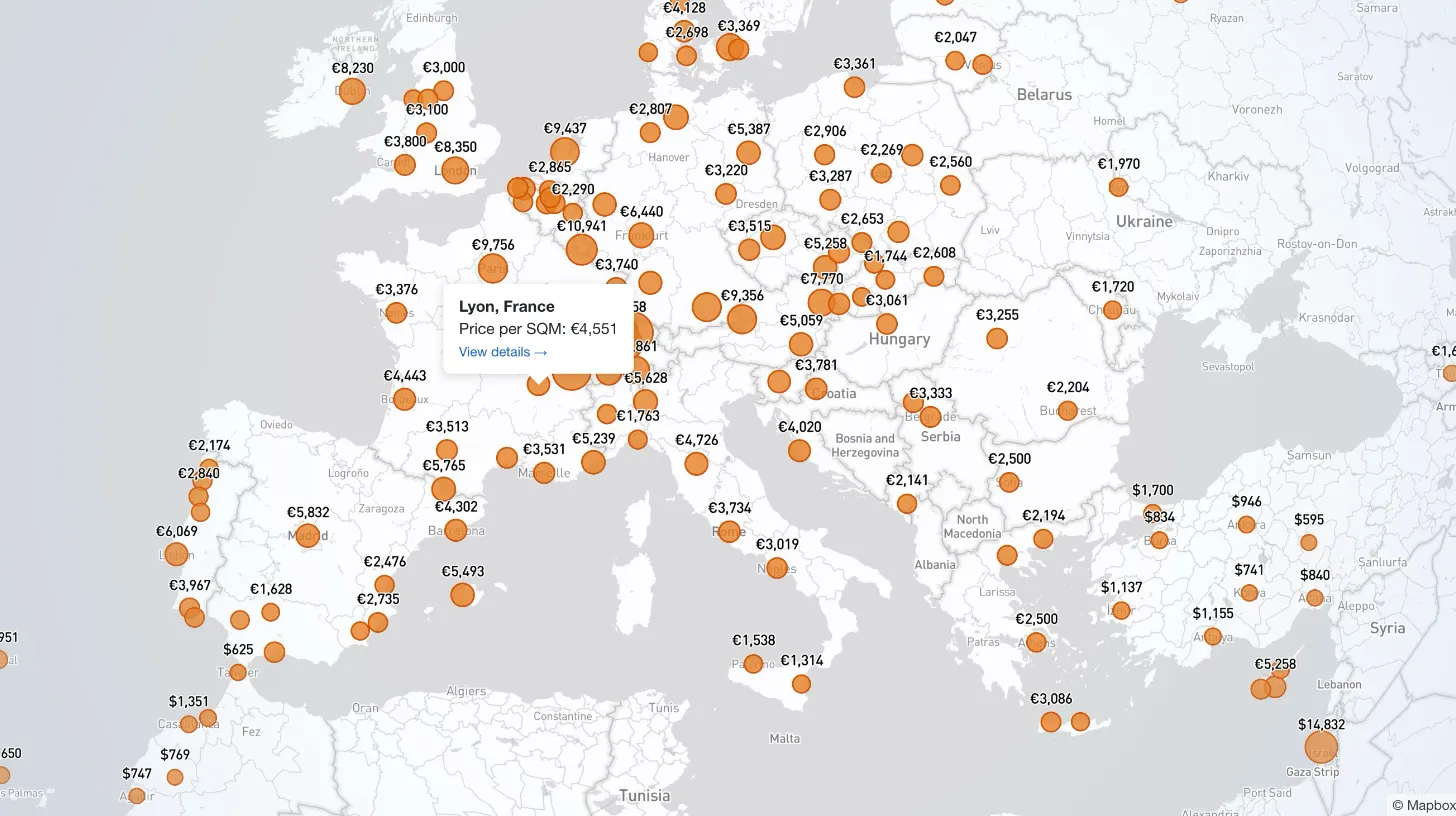
My client publishes real estate data for 80+ countries and wanted a single interactive view that could replace dozens of separate comparison tables. I built a Mapbox GL JS globe with 38+ switchable metrics, bubble and choropleth view modes, city drill-down, currency toggle, and pinned popups that deep-link into the country pages.

Every WordPress dev knows the problem: restore a prod database locally and your browser immediately redirects to the live site. I moved the URL rewrite into MySQL's init hook so it runs automatically on first boot — no manual steps, no redirect loops.

My law firm client's inner pages had no visible author attribution — a real problem for YMYL legal content. I added Schema.org Person microdata to the hero, intentionally bypassed the WordPress author field, and built a per-page ACF toggle for opt-out.

My client's legacy Laravel 5.1 SaaS needed modernization across payments, search, and mapping — all on a codebase that cannot be upgraded without breaking dependencies. I overhauled all three layers in two weeks, without a rewrite and without a database migration.