Questions to Ask Before Hiring a Long-Term Web Developer
Rol Torralba
April 05, 2026
13 min read
The questions most businesses ask when hiring a web developer focus on the wrong things. Here's what to ask instead if you want a technical partner who will actually stick around and keep your website healthy.
You've posted the position. You've got a stack of resumes. You start the interviews. How long have you been developing? Show us your portfolio. What's your rate? How fast can you start? What's your timeline on this project?
These are the questions most businesses ask when hiring a web developer. They're easy to ask, easy to understand, and almost completely unhelpful for finding someone who can be a long-term technical partner.

A strategic approach to hiring developers focuses on process and philosophy rather than speed and cost.
💡 Pro Tip: Focus your interview on process, philosophy, and communication rather than portfolio and timeline. The developers who think deeply about website maintenance, not just project delivery, make better long-term partners.
Why? Because they don't tell you anything about how the developer actually works. A developer with an impressive portfolio might be brilliant at greenfield projects but terrible at working in existing codebases. Someone with a low rate might cut corners in ways that create problems later. Someone who promises a fast timeline might be making risky architectural decisions to meet that timeline.
For businesses looking to stabilize and maintain their websites, these questions are actually selection pressure for the wrong traits. You want the opposite of "fastest and cheapest." You want thoughtful, careful, long-term focused. You want someone who views your website as something to be stewarded, not just a project to be completed.
The right questions are about process, communication, philosophy, and continuity. They're about understanding how this developer actually thinks about software and whether that thinking aligns with the long-term health of your website.
Start by understanding how this developer actually builds software. The specific process matters because it predicts how stable and maintainable the code will be.
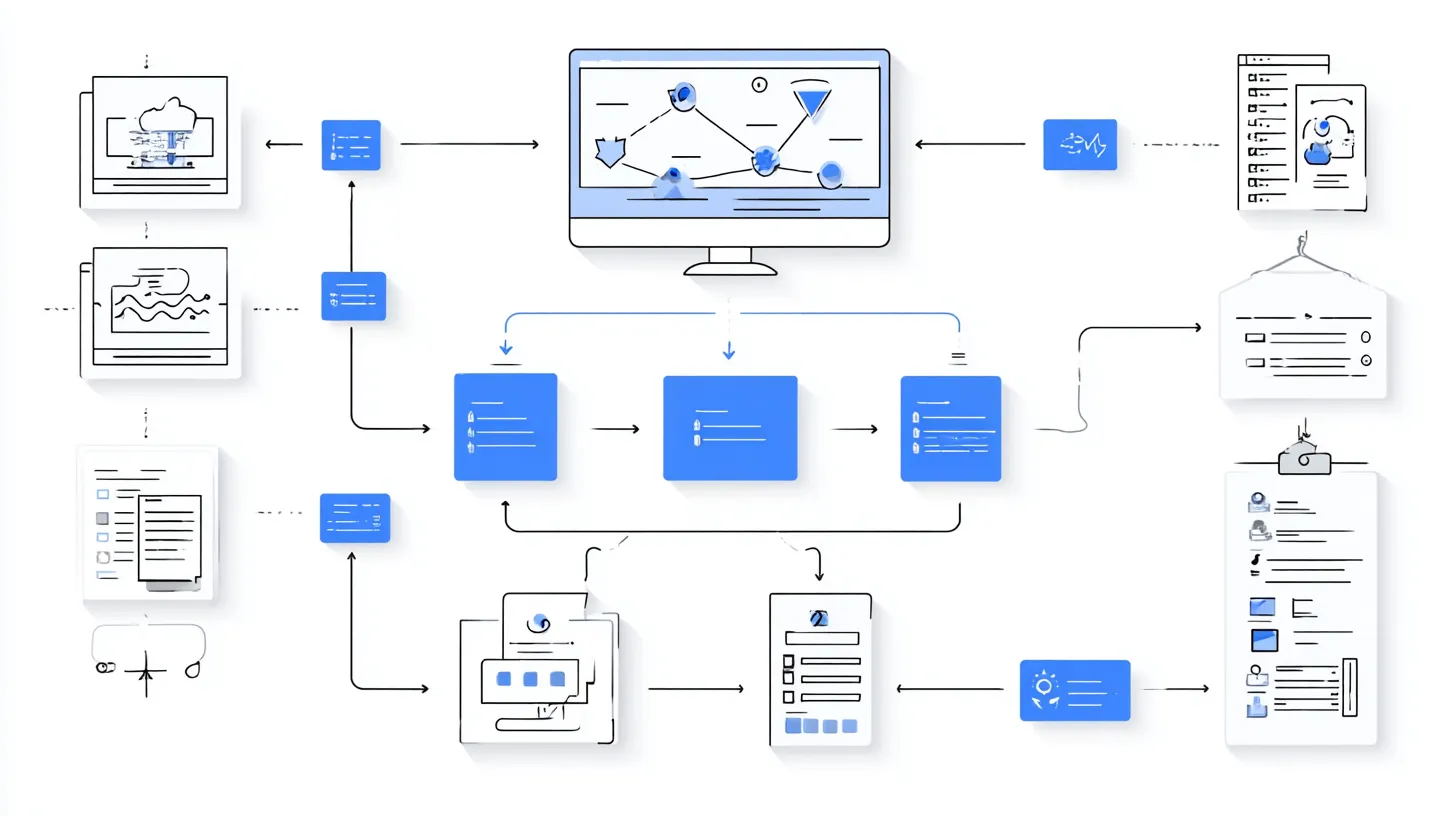
Understanding a developer's discipline reveals patterns of code quality and system reliability.
"Walk me through your standard development workflow from feature request to deployed code. What steps do you always do? What do you skip when under pressure?" This reveals real discipline versus stated discipline. Everyone says they test their code. But do they actually have tests in their workflow? How many of the steps in their process are about making sure changes don't break existing functionality?
"How do you handle version control? Can you walk me through what's in your typical commit history?" This tells you whether they're thinking in small, reversible changes or large, risky deployments. Good developers have meaningful commit messages, logical grouping of changes, and a history that tells the story of how code evolved. Bad developers have commits like "fixes" and "stuff" with dozens of unrelated changes lumped together.
"Tell me about your approach to code review. Who reviews your code before it goes to production? What are you looking for in a review?" If they don't have anyone reviewing their code, that's a red flag. If they only review for spelling errors rather than architectural decisions and side effects, that's also a red flag. Code review is how you catch mistakes before they go live.
"How do you decide when to refactor versus when to just make it work? Can you give me an example of a refactoring project you've done?" This question reveals whether they have any long-term thinking. Developers who never refactor end up with unmaintainable systems. But developers who refactor constantly also end up in trouble. They're optimizing for perfection rather than for business needs. Good developers balance making things work now with keeping the code maintainable for the future.
"What's your approach to testing? Do you write tests? When, and how thoroughly?" Some developers believe in extensive test coverage. Some prefer manual testing or integration tests only. There's reasonable debate here. But developers who never write any tests are a risk, because any change could potentially break something and they wouldn't know until production.
A developer's technical skills matter, but so does their ability to communicate what's happening, what problems exist, and what needs to happen next. This is often where technical people excel at building code but fail at maintaining systems.

Transparent communication between developers and business stakeholders ensures alignment and prevents surprises.
"How do you keep stakeholders updated on project progress? How frequently? What information do you communicate?" You want to understand their default mode. Do they assume you'll ask for updates, or do they proactively share status? Do they communicate only when problems arise, or do they share what's working and what's on track? The best long-term developers are transparent about what's happening, not just what's done.
"How do you handle a situation where a requested feature is more complex than initially estimated? What's your process?" This reveals whether they'll just start coding and exceed the estimate, or whether they'll flag the complexity early and discuss options. Look for developers who see themselves as advisors helping you make good decisions, not just order-takers.
"If you discover a significant technical problem in the system, something that's going to take real time to fix, how do you communicate that?" The answer matters because technical debt and architectural problems are inevitable in any long-lived system. You want a developer who brings these to your attention professionally and helps you understand the business implications, not someone who either hides problems or delivers bad news in a way that creates panic.
"Tell me about a time you had to escalate something to a manager or client because you needed guidance on a decision. What was the situation and how did you handle it?" Good developers know the limits of their authority and escalate appropriately. They don't make business decisions that should be made by business stakeholders, but they also don't get frozen waiting for permission on technical decisions.
| Good Response | Red Flag Response |
|---|---|
| "I documented the problem, explained the business impact, and presented three options" | "I just went ahead and fixed it without telling anyone" |
| "I raised it early and got alignment before starting work" | "I complained about it but nothing changed" |
| "I provided concrete examples and timeline estimates" | "It's all very complicated, you wouldn't understand" |
"How available are you for questions and collaboration? If I need to discuss something urgent, how quickly can I reach you?" This matters less for asynchronous work and more for collaborative debugging or urgent problems. Understand the realistic response time and ensure it matches your needs.
One of the biggest risks with hiring a new developer is creating a situation where knowledge is concentrated in one person. If that person leaves, you're in trouble. Understanding how they approach knowledge transfer and documentation is crucial.
"When you join a project, how do you ramp up on the existing codebase? How long does it take you to feel confident making changes? What materials do you need?" This reveals whether they can work with existing documentation or whether they'll need to rebuild everything. It also tells you whether they'll prioritize learning existing code or just go off and build their own solutions.
"At the end of your engagement, what will it look like for the next person to take over your work? How will you ensure they're set up for success?" Look for concrete answers: updated documentation, runbooks for common operations, code comments explaining why decisions were made, knowledge transfer sessions. Avoid developers who assume the next person will just figure it out.
"How do you document your work? Do you write code comments? Update architectural documentation? Create runbooks for operations?" Some developers think documentation is busywork. Others see it as essential. For long-term system maintenance, documentation matters. You want to understand what this developer's philosophy is.
"Tell me about a project you've handed off to someone else. How did that go? What worked well? What would you do differently?" This real experience tells you whether they've thought about continuity or whether handoffs have always been chaotic fire-drills.
"If you were hit by a bus tomorrow, how long would it take for your replacement to be productive on this codebase?" This is a provocative way to assess the "bus factor," or how dependent the system is on one person's knowledge. A healthy answer is "a few weeks" with good documentation and architecture. A bad answer is "months" or "they'd have to start from scratch."
Beyond specific skills, you're hiring someone whose approach to technical decisions will shape your system for years. Understanding their philosophy matters.
"Tell me about your approach to technical debt. How do you decide when to incur it? When to pay it down? Can you give me examples?" Some developers accrue debt carelessly. Others refuse to incur any debt even when it makes business sense to move fast. Good developers see technical debt as a tool, useful in moderation, but with clear understanding of the costs. You want someone thoughtful about it.
"What does a well-maintained system look like to you? What are the characteristics of code and infrastructure you're proud to work with?" Their answer reveals their standards. Are they focused on code cleanliness? Performance? Security? Reliability? Simplicity? Ideally, they have a balanced view rather than an extreme focus on one aspect.
"Tell me about a system you worked on that you felt was poorly maintained. What made it that way? How would you have done it differently?" This reveals whether they think critically about how systems degrade and what they'd do to prevent it. Vague answers suggest they don't think deeply about this.
"When you inherit a system with existing technical debt, how do you prioritize addressing it?" This is crucial for your situation. Are they someone who will focus on fixing everything at once? Ignore it entirely? Or have a thoughtful plan to address the most critical issues first while making progress on the others?
"What's your relationship with tools and technologies? How do you decide what to use?" Some developers always reach for the newest framework. Some stick with familiar tools even when better options exist. Good developers choose based on business needs and the team's expertise, not on personal preference or resume-building.
If you're hiring someone for a long-term relationship, you need to understand what that relationship will look like.
"What does a successful long-term engagement look like to you? What are you looking for in ongoing work?" Some developers want project-based work and move on. Others are genuinely interested in the long-term health of systems. Understand which you're dealing with.
"How do you approach situations where you need to learn something new to solve a problem? What's your process?" Long-term developers constantly encounter unfamiliar situations. You want someone who approaches learning proactively rather than getting stuck.
"Tell me about a client you've worked with long-term. How long did the relationship last? What kind of work did you do together?" Long tenure with previous clients is a good sign. Understanding what they did together tells you whether they build long-term partnerships or just do project work.
"What would make you want to leave this engagement? Conversely, what would make you want to stay long-term?" This is honest communication about expectations. Some developers want to move between projects constantly. Others want stability and the challenge of maintaining complex systems. Neither is wrong, but they need to align with what you're offering.
"How do you handle situations where work feels routine or repetitive? Do you still maintain the same level of care?" Long-term system maintenance includes a lot of routine work: applying patches, performing maintenance, monitoring. You need someone who doesn't get bored with maintenance and maintains standards even when the work isn't glamorous.
Pay attention not just to what developers say but to how they say it and what they conspicuously avoid saying.
If a developer talks about their past work primarily in terms of technologies used rather than problems solved, that's concerning. It suggests they're focused on tools rather than outcomes. "I built three systems in React" is less informative than "I rebuilt a checkout flow that was causing 30 percent of users to abandon, which increased conversion by 15 percent."
If they avoid discussing technical debt or maintenance, that's a red flag. Every system has it. Developers who won't discuss it either haven't thought about it or are hiding something.
If they're evasive about why they left previous engagements, be cautious. Everyone changes jobs, but how they describe it matters. "The project was done" is different from "I left because they wouldn't listen to me about architectural problems."
If they promise to solve all your problems very quickly and very cheaply, that's a red flag. Any realistic assessment of your system should acknowledge that there are genuine complexity and time tradeoffs. Promises of quick miracles usually mean they're not taking the work seriously.
If they talk down to you or seem dismissive of your non-technical concerns, that's a bad sign for a long-term relationship. Good developers translate technical concepts into business implications and acknowledge that business constraints matter.
If they can't articulate a philosophy about code quality or system design, that's concerning. You want someone who has thought about these things, even if their philosophy differs from yours.
The goal here is not to find a perfect developer. They don't exist. The goal is to find someone whose skills, process, and philosophy align with the long-term health of your website. Someone who views their work not as a series of projects to be completed but as a system to be maintained and improved over time.
That developer might not have the flashiest portfolio. They might not promise the fastest timeline. But they'll deliver stability, maintainability, and reliability. Over months and years, that's worth far more than any short-term speed.
The best hiring outcomes come from asking about the developer's thinking patterns, not their resume. Interview for philosophy, process discipline, and communication skills. These predict long-term success far better than portfolio items or promised timelines.
Find out what's slowing your site down, where the security gaps are, and what you can improve. Takes 30 seconds to request.